
LVP vs. Laminate: Why LVP Takes the Crown
August 4, 2025Choosing the right flooring for your home can feel overwhelming with so many options available. Two popular choices that often leave homeowners torn are luxury vinyl plank (LVP) and laminate flooring. Both offer attractive alternatives to traditional hardwood, but which one delivers the best value for your investment? After years of working with both materials, we’ve found that LVP consistently outperforms laminate in the areas that matter most to homeowners.
Let’s dive into a comprehensive comparison of LVP flooring vs. laminate to help you make the best decision for your space.
Before we compare these two popular flooring types, it’s helpful to understand what each material brings to the table.
What is LVP Flooring?
Luxury vinyl plank flooring is a synthetic flooring material designed to mimic the appearance of natural hardwood. LVP consists of multiple layers that work together to create a durable, waterproof surface. The construction typically includes a wear layer for protection, a photographic layer that creates the realistic wood appearance, and a rigid core for stability. It also often includes a backing layer for comfort and sound dampening.
Modern LVP technology has advanced significantly, offering incredibly realistic textures and visual depth that closely resembles authentic hardwood planks.
What is Laminate Flooring?
Laminate flooring also mimics natural materials but uses a different construction method. It features a high-density fiberboard (HDF) core made from recycled wood fibers, topped with a photographic layer and protected by a clear wear layer. A backing layer provides moisture protection and structural balance.
While laminate has improved over the years, it maintains its characteristic harder feel and distinctive sound when walked upon.
Head-to-Head Comparison: LVP vs. Laminate
Appearance and Realism
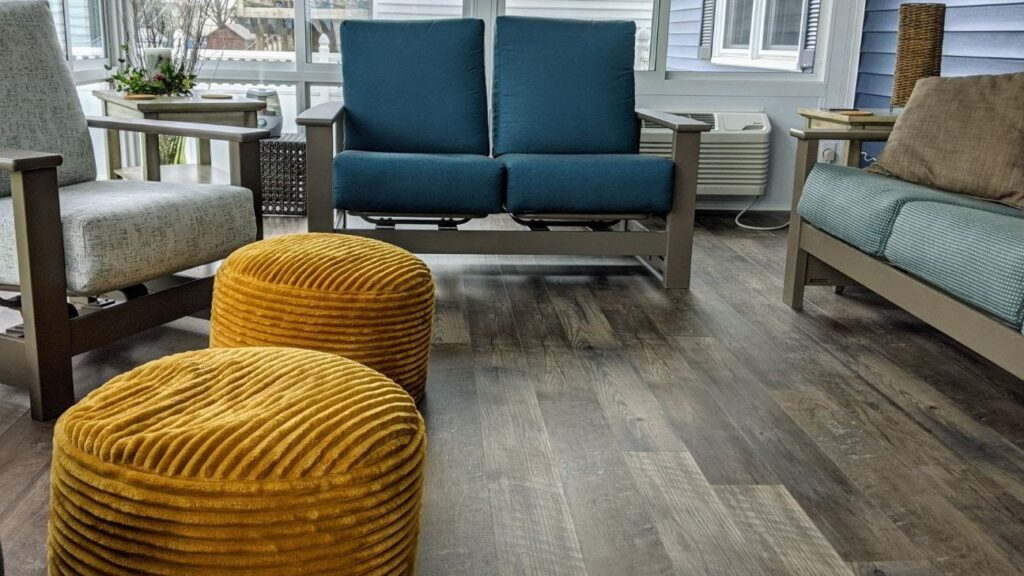
Both LVP and laminate have made significant strides in mimicking natural wood appearances. However, LVP often edges ahead in creating truly convincing wood-look flooring. The manufacturing process allows for deeper textures and more varied plank designs that capture the subtle imperfections found in real hardwood.
Laminate has certainly improved its visual appeal, with some high-end options offering impressive realism. Advanced texturing techniques help create more authentic-looking surfaces, though they may still lack the depth and variation found in quality LVP products.
Thickness and Structural Integrity
Thickness plays a crucial role in flooring performance and longevity. LVP thickness typically ranges from 4.2mm to 7.5mm, with newer, thicker options becoming available. Laminate flooring generally offers more substantial thickness, ranging from 8mm to 12mm, with some manufacturers introducing even thicker 14mm options.
This thickness difference directly impacts the locking mechanism that holds your floor together. Thicker materials allow for more robust locking systems, which can affect both installation ease and long-term durability.
Moisture Control: The Game Changer
Here’s where LVP truly shines and often wins the laminate vs. LVP debate. LVP flooring offers 100% waterproof protection, making it ideal for any room in your home, including bathrooms, kitchens, and basements. This complete moisture resistance means you can handle everything from minor spills to significant water events without worrying about floor damage.
Flood-rated laminate flooring has made impressive improvements, offering 72 to 100 hours of flood protection. While this represents a significant advancement over traditional laminate, it still cannot match the complete waterproof nature of LVP.
For families with pets, young children, or anyone concerned about moisture-related damage, LVP provides unmatched peace of mind.
Scratch Resistance Performance
Both materials offer good scratch resistance, but they perform differently under real-world conditions. Laminate flooring has earned a reputation for exceptional scratch resistance, even dating back to early generations of the product. The hard surface can withstand significant abuse from pets, furniture, and daily wear.
LVP provides above-average scratch resistance, though it may not quite match laminate’s performance in this area. However, the difference is often less noticeable in typical household use, and LVP’s other benefits often outweigh this slight disadvantage.
Dent Resistance
The structural differences between these materials create distinct performance characteristics when it comes to dent resistance. Laminate’s high-density fiber core makes it nearly impossible to dent under normal circumstances. The rigid construction maintains its shape even under heavy furniture or equipment.
LVP, with its softer core construction, can be more susceptible to denting, particularly from heavy furniture with small contact points. Temperature fluctuations can also affect LVP’s firmness, potentially making it more vulnerable to indentation when the material becomes warmer and softer.se hues effortlessly connect the indoors to nature, creating an inviting and harmonious atmosphere.
Comfort and Feel
Walking comfort represents another area where LVP often takes the lead. The material provides a softer, more forgiving surface underfoot, especially when featuring cushioned backing layers. This comfort advantage becomes particularly noticeable during extended periods of standing or walking.
Laminate typically feels harder and more rigid, which some homeowners prefer for its solid, substantial feel. However, this harder surface can be less comfortable for extended standing and may contribute to foot fatigue.
Soundproofing Properties
Sound transmission differs notably between these materials. LVP generally produces less noise when walked upon, especially when installed with appropriate underlayment or built-in sound-dampening features. The softer surface absorbs more impact sound.
Laminate can create more noticeable footstep sounds, particularly the characteristic “clicking” associated with hard surface floors. While underlayment can help reduce this noise, it remains a consideration for multi-story homes or sound-sensitive environments.
Selection and Style Options
Currently, LVP offers significantly more design variety, with hundreds or even thousands of color and style options available. This extensive selection allows homeowners to find options that perfectly match their vision and décor preferences.
Laminate selection has been more limited, with approximately 50 color options for flood-rated products in many markets. However, manufacturers have recognized this gap and are rapidly expanding their offerings. Industry experts expect over 100 laminate color choices to become available in the near future.
Installation Considerations
When comparing laminate vs. LVP installation, both use floating floor methods (where planks click together without attaching to the subfloor). This approach makes both materials relatively DIY-friendly for motivated homeowners.
Laminate may have a slight installation advantage due to its thicker, more rigid construction, which can be easier to handle and position. The thicker locking mechanism also tends to be more forgiving during installation.
LVP installation may require more careful subfloor preparation due to its thinner profile, which can telegraph subfloor imperfections more readily. However, experienced installers can easily manage these requirements.
Maintenance Requirements
Both materials excel in the maintenance department, requiring only regular sweeping and occasional damp mopping. This low-maintenance characteristic makes both options attractive for busy households.
LVP’s waterproof nature allows for slightly more aggressive cleaning when necessary, while laminate requires more careful moisture management to prevent potential water damage at seams or edges.
LVP vs. Laminate Cost
While laminate flooring used to enjoy a cost advantage, the pricing gap between luxury vinyl plank flooring vs. laminate has narrowed—and for good reason. High-quality laminate typically retails for $5–6 per square foot, whereas premium LVP generally ranges from $6–9. Although LVP may come with a higher upfront price tag, it often delivers greater long-term value thanks to its superior water resistance, durability, and lower maintenance requirements.
Because LVP is fully waterproof, it can be installed in moisture-prone areas like kitchens, bathrooms, and basements where laminate would not be suitable—potentially reducing the need for different flooring types throughout your home. Additionally, many LVP products come with built-in underlayments that can help offset installation costs and enhance comfort and sound absorption.
In short, while laminate may cost less up front, LVP provides a better return on investment for homeowners seeking durability, versatility, and a cohesive, high-end look across their entire home.
LVT vs. Laminate Flooring
At Elizabethtown Flooring, we also offer luxury vinyl tile (LVT) in addition to our luxury vinyl plank flooring. LVT shares many of the same advantages as LVP, with the added benefit of offering stone, ceramic, or patterned visuals in addition to wood looks.
Like LVP, LVT is waterproof, highly durable, and softer underfoot than laminate, making it an excellent choice for high-traffic areas and moisture-prone spaces. Laminate, by contrast, is more susceptible to water damage and often lacks the same level of resilience — especially when exposed to spills or humidity.
When comparing the design flexibility of LVT vs. laminate flooring, LVT offers more diverse styles and formats, including groutable options for a more realistic tile appearance.
While laminate may still offer a lower upfront cost, the performance and versatility of luxury vinyl tile make it a smarter long-term investment for many homeowners.
Making the Right Choice for Your Home
When weighing LVP flooring vs. laminate flooring, consider the pros and cons relating to your specific needs, lifestyle, and priorities. LVP consistently delivers superior moisture protection, comfort, and style variety, making it the preferred choice for most homeowners. While laminate offers excellent durability and competitive pricing, LVP’s comprehensive benefits typically provide better long-term value.
The investment in quality LVP flooring pays dividends through years of worry-free performance, enhanced comfort, and timeless beauty that adapts to changing décor trends.
Why Choose Elizabethtown Flooring for Your LVP Installation?
When you’re ready to move forward with your LVP or LVT flooring project, partnering with the right installation team makes all the difference. At Elizabethtown Flooring, we’ve built our reputation on delivering exceptional results that exceed our customers’ expectations.
Top-Rated in Lancaster County: Our commitment to excellence has earned us outstanding reviews and countless referrals from satisfied customers who trust us with their most important projects.
Unparalleled Variety: We work with leading LVP and LVT brands including Coretec, Shaw Flooring, Karndean, Mannington, and Mohawk, ensuring you’ll find the perfect style and quality level for your space and budget.
Professional Installation: Our certified installers bring years of experience and meticulous attention to detail to every project. We understand that proper installation is crucial for achieving the beautiful, long-lasting results you deserve.
Complimentary Consultations: We believe in helping you make informed decisions. Our friendly experts offer free showroom visits and in-home consultations to guide you through the selection process and ensure you choose the ideal flooring solution.
Ready to transform your space with beautiful, durable LVP flooring? Contact Elizabethtown Flooring today for a free quote and discover how our expert team can bring your vision to life with precision and care.